
Express Dispatch

EV charging for people who move fast.

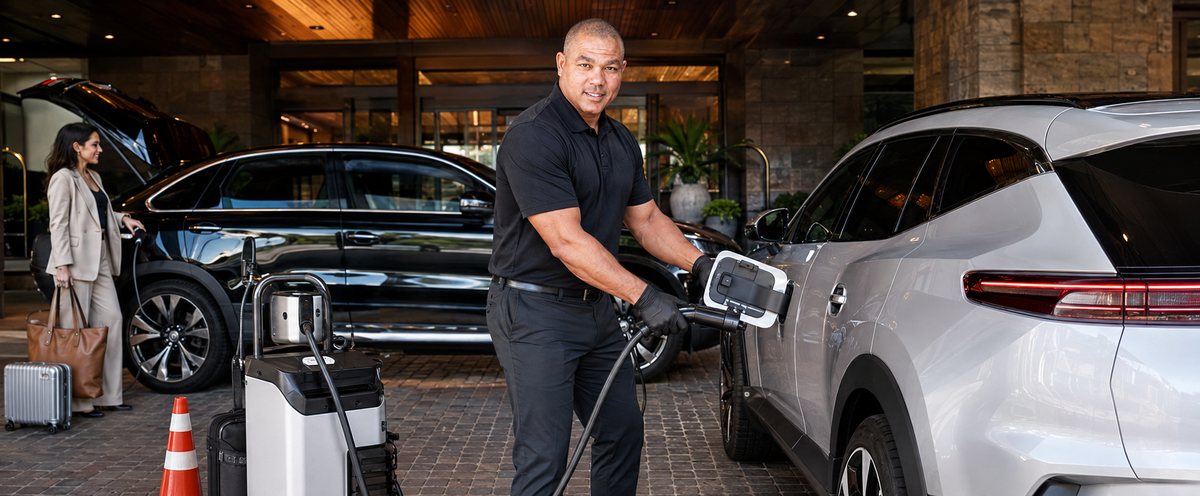
ZapXpress brings express, on-demand EV charging to logistics companies, multi-fleet operations, delivery networks, and fast-moving people. Same-day dispatch, fleet optimization, apartment service, and roadside solutions for operators who can't wait.

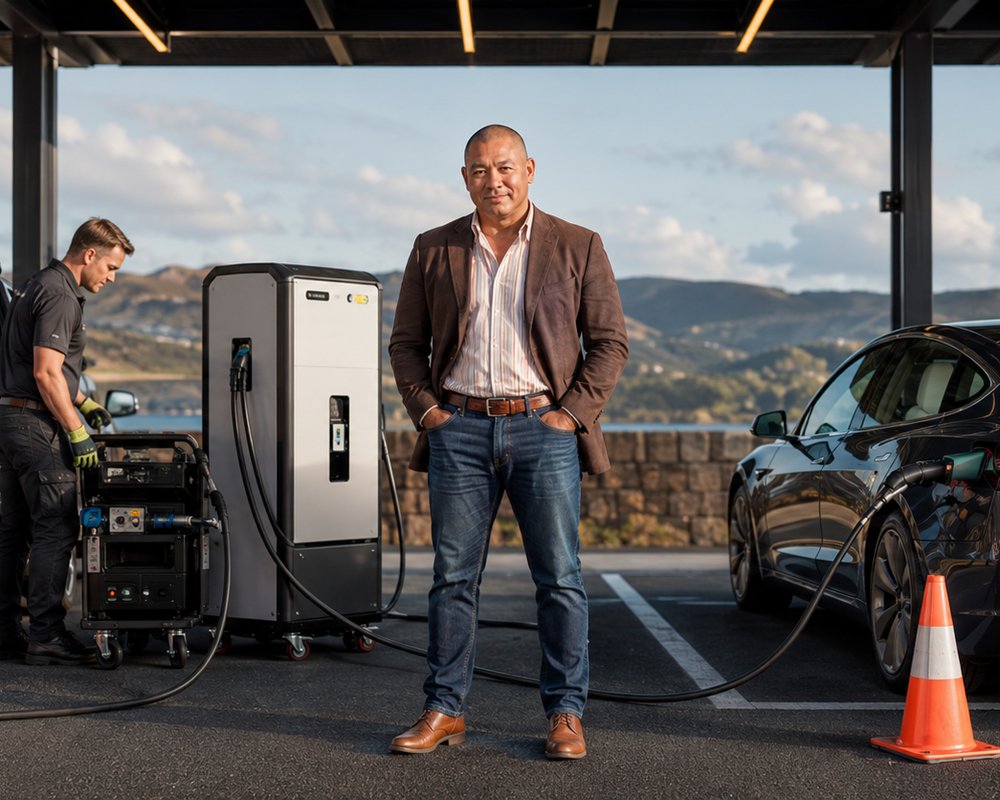
Electric vehicle at a fast charging station
Express
Dispatch
Fleet
Optimized
Multi-Unit
Routes
Logistics
Ready
Online Course · Free Preview

Test your knowledge

Answer a few quick, fully-cited questions from the EV Charging Business course — then unlock all 12 chapters and 200+ lessons for $40, with lifetime access.

ZapXpress

Test Your Knowledge: EV Charging Business

9 quick questions on the EV charging business. Every answer is explained and sourced.

Practice questions from ZapXpress EV charging business course. For educational use; verify current codes and incentive programs with official sources.
New · Online Course

How to Start & Grow an EV Charging Business

12 chapters and 200+ cited lessons — charging fundamentals, site selection, installation, incentives, permitting, operations, and a step-by-step launch roadmap. Lifetime access.

Explore the course — $40 →

Express Services

Fast EV charging built for logistics, delivery, and fleet operations.

Express On-Demand Service

Call and dispatch within minutes. No advance booking needed.

Same-Day Dispatch

Multi-vehicle charging in hours, not days. Fleet-scale operations.

Subscription Plans

Monthly charging budgets. Fleet subscriptions. Flexible scaling.

Fleet & Logistics Charging

Delivery EV charging integrated with route optimization.

Apartment & Multi-Family

Resident EV charging in apartments and multi-unit buildings.

Roadside Assist

Fleet emergency support. Stranded EV? We dispatch fast.

Logistics & Fleet News

EV charging etiquette, carrier partnerships, and concert-scale operations.

Educational

NEVI Reopens for FY2026 — And New Flexibility Guidance Finally Points Toward Freight Corridors

After a year of uncertainty, the federal charging program that fleets have watched most closely is moving again. The Federal Highway Administration apportioned roughly $885 million in National Electric Vehicle Infrastructure (NEVI) funds for FY2026 following a court order that overturned the 2025 funding freeze, and around nine states have reopened their build-out rounds. A separate $500 million rescission signed February 2, 2026 trimmed the pipeline, but the core program survives — and for logistics operators, the more consequential change is buried in the new guidance rather than the dollar figure.

That guidance now allows medium- and heavy-duty charging and freight-corridor deployments once a state has substantially completed its light-duty highway build-out. In plain terms, NEVI is beginning to acknowledge the vehicles that actually move freight. The Alternative Fuels Data Center's summary of the program (Title 23 authority) remains the reference point, and it is worth reading the sequencing carefully: light-duty corridors come first, and heavy-duty eligibility follows state by state as those corridors are certified as built.

For fleets planning depot and corridor strategy, the practical takeaway is to treat this as a multi-year unlock, not a switch. NEVI-funded sites still require CCS connectors, availability will vary widely by state, and timelines depend on each state's own plan. But the direction has shifted toward the freight case, and operators positioning charging assets along key corridors now are aligning with where the public program is finally headed.

Sources: U.S. DOE AFDC — NEVI Formula Program; ACT News — The United States of NEVI; U.S. DOE — EV Charging Stations

July 2, 202610 min read
Informative

NACS Adoption Accelerates in 2026 — But NEVI Still Requires CCS, So Dual-Cable Is the Fleet Reality

The connector question that gave fleet managers headaches for years is settling, though not into a single plug. With near-universal automaker adoption of the North American Charging Standard (NACS), the networks are moving fast: Electrify America expanded its NACS pilot to major charging hubs on July 1, 2026, and EVgo is adding 100 NACS connectors with 500 more planned across 2026. The direction is clear, but so is the caveat — NEVI-funded sites still require a CCS connector, which is exactly why mixed fleets can't simply standardize on one and walk away.

For a logistics operation running vehicles from several model years and manufacturers, the practical answer is dual-cable. A station that presents both NACS and CCS covers the largest share of a real-world fleet without asking drivers to carry adapters or memorize which van takes which plug. The Department of Energy's public station locator, which tracks connector availability across the growing network, is a useful reality check when planning routes: connector mix on a corridor is now a real dispatch variable, not a footnote.

None of this is a reason to wait. The connectors are converging at the vehicle level even as the infrastructure runs dual for a transition period, and fleets that spec dual-cable charging and audit their corridors for connector coverage today are buying themselves flexibility. The specifics — which network, which sites, which model years — depend on your own fleet composition, but the planning principle holds: design for both standards through the crossover, and let the vehicles decide.

Sources: electrive — Electrify America Expands NACS Pilot; U.S. DOE — EV Charging Station Locations; U.S. DOE — EV Charging Stations

July 8, 20268 min read
Field Notes

The Depot Charger Was Down for Three Days. Mobile DC Fast Charging Kept the Routes Running.

The call came in on a Monday: a fixed depot charger was offline, the parts wouldn't land until Thursday, and a wall of delivery EVs needed to roll at 5 a.m. anyway. This is the exact gap mobile DC fast charging is maturing to fill — not a novelty for events, but a permanent layer of the infrastructure that keeps fleet uptime intact when a stationary asset fails. We staged mobile units in the yard, ran an app-based on-demand rotation overnight, and dispatched every van on schedule. Nobody in the routing office had to know the depot charger existed, which is the whole point.

What made it workable is that the industry now treats mobile charging as infrastructure rather than a stopgap. The Department of Energy's station guidance frames the value plainly: fleets live and die on availability, and a charging layer that comes to the vehicle covers depot outages, capacity gaps, and sites where a permanent grid tie isn't built yet. Operators like SparkCharge and Bee Charged EV have been building exactly this fleet-facing model, and the on-demand delivery pattern is what let us treat a three-day outage as a scheduling problem instead of a crisis.

The honest caveat: mobile charging is a complement, not a replacement for depot infrastructure. It costs more per kilowatt-hour than a fixed site running at scale, and you don't want to run your whole operation off it indefinitely. But as a resilience layer — the thing that keeps routes moving when the permanent asset is down — it earned its keep that week. We'd stage it again without hesitation, and we now build it into the contingency plan rather than scrambling for it.

Sources: U.S. DOE — EV Charging Stations; U.S. DOE — Charging Infrastructure Trends; U.S. DOE — Electric Vehicle Basics

July 6, 20265 min read

Fleet & Logistics Inquiry

Express charging built for fast-moving operations. Same-day dispatch across California.

2026 Industry Update

What's driving fleet and logistics EV charging this year.

Megawatt charging goes commercial

In 2026 Megawatt Charging Systems (MCS) reach commercial deployment, letting heavy-duty trucks with 200–600 kWh batteries recharge in the mandated 45-minute break at over 1 MW. (Ekoenergetyka / EGBatt, 2026)

73,000+ DC fast chargers

The U.S. now has over 73,000 public DC fast-charge ports out of 250,000+ total, with fast-charger deployment up about 31% year over year — critical capacity for delivery fleets. (U.S. AFDC / US EV Charging Stations, 2026)

Battery-buffered high-power sites

Battery-buffering is now the default architecture for new high-power deployments: a 300 kW grid tie plus a 1 MW battery buffer permits faster and cheaper than a full grid upgrade. (Eleport, 2026)

$10 · PDF Guide

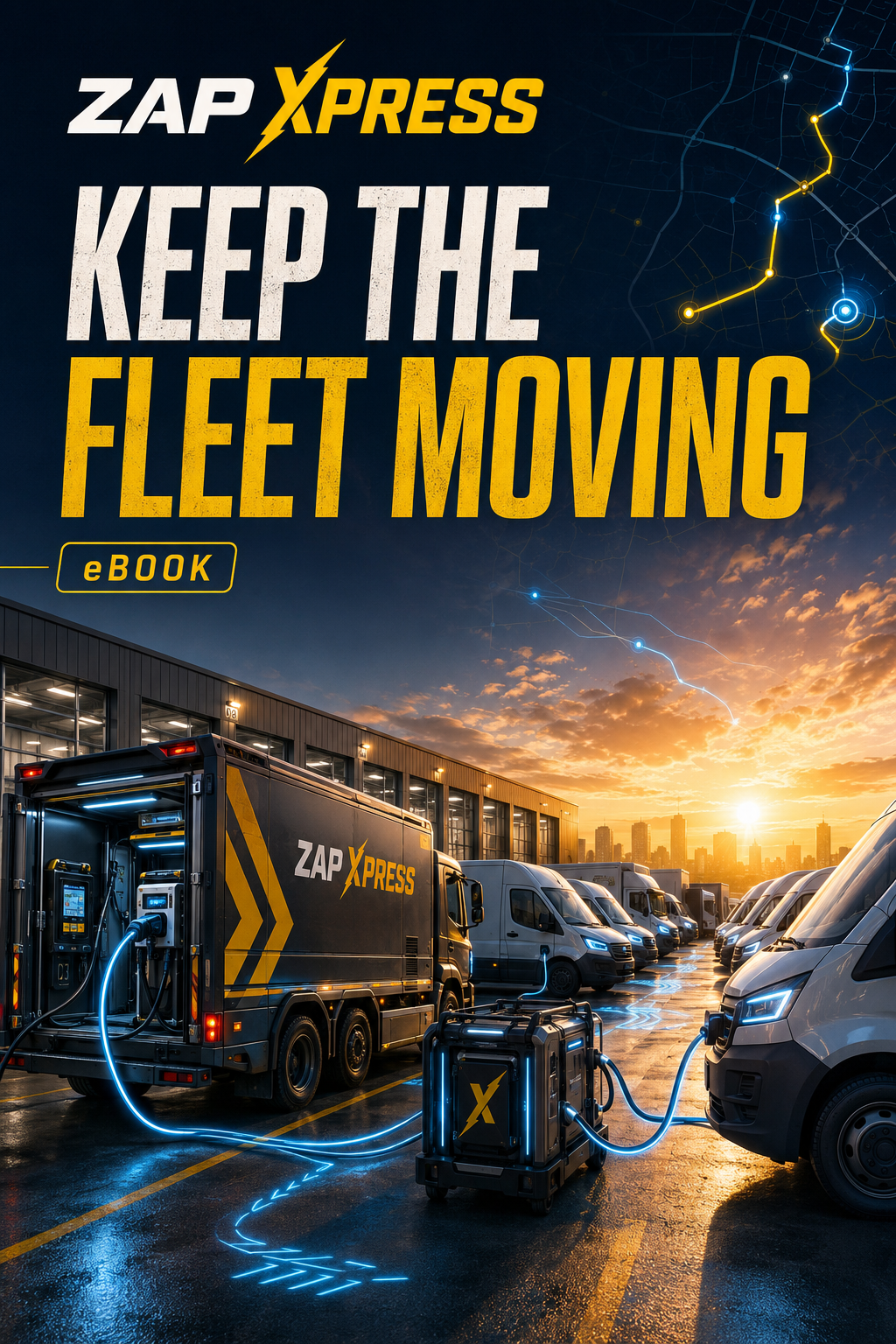
Keep the Fleet Moving

Get our illustrated guide — practical, current, and written for 2026.

Keep the Fleet Moving — eBook cover Get the eBook — $10
Why Work With Us

The ZapXpress difference

We combine real expertise with genuine care — and we make it easy to say yes. Here is what you can expect when you work with ZapXpress.

Why work with us

We come to you

On-demand mobile EV charging at home, work, or the curb — skip the public-station wait entirely.

Any EV, anytime

All major makes and connectors supported, with flexible scheduling that fits your day.

Transparent and fair

Clear pricing and reliable service — no surprises, no runaround.

Time is the luxury

Get your hours back while we handle the charge. Convenience, delivered.

FAQ

Frequently Asked Questions

How does mobile EV charging work?
We come to you — home, office, or curbside — and charge your electric vehicle on demand, so you skip the public-station wait.
Which vehicles do you support?
All major EV makes and standard connectors. Tell us your model when you book and we'll bring the right equipment.
What areas do you serve?
We operate throughout our local service area; contact us to confirm coverage at your address.
How do I book a charge?
Request a charge by email at info@zapxpress.com or call (424) 204-2382.
Shop

Recommended on Amazon

As an Amazon Associate we earn from qualifying purchases. Prices and availability are subject to change.

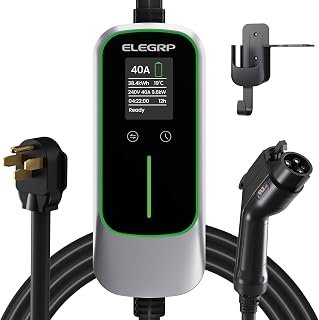
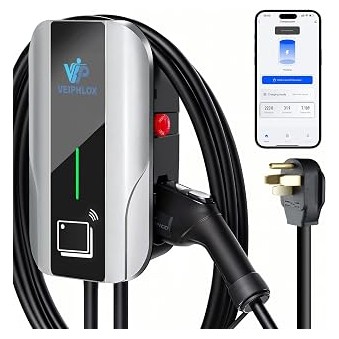
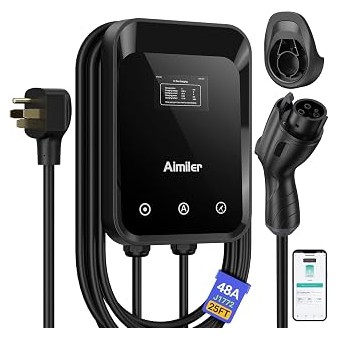
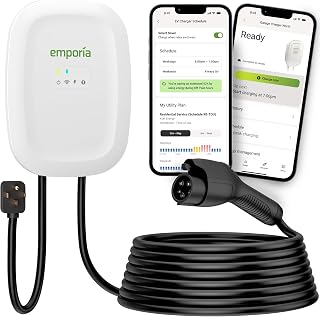
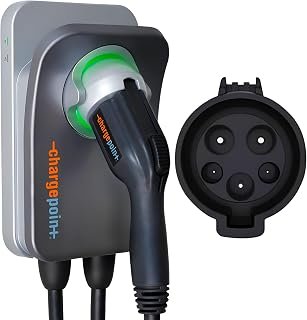
Level 2 EV Charger, 40 Amp 240V, J1772, WiFi
$230.99
View on Amazon →
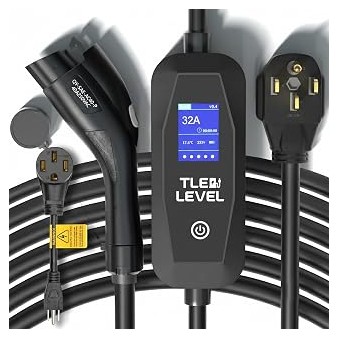
Portable Level 2 EV Charger 40A 9.6kW, NEMA 14-50
$179.99
View on Amazon →
Level 2 EV Charger 32A, WiFi App, 25ft Cable, ETL
$189.99
View on Amazon →
Level 2 EV Charger 48A/11.5kW, ETL Certified Station
$259.99
View on Amazon →
Level 2 EV Charger 48A/11.5kW, J1772 Dual Temp
$351.49
View on Amazon →
Enphase IQ EV Charger 2 — 40A Smart Level 2, WiFi
$999.00
View on Amazon →